
UI/UX & Graphic Design
Research-led product and brand design — interfaces, design systems, and identity built on evidence rather than taste.
- Design decisions grounded in user evidence
- Consistency that survives multiple contributors
- WCAG AA verified during design, not retrofitted
- Developer handoff with tokens, states, and behaviour specified
- Figma
- Adobe Illustrator
- Adobe Photoshop
- Maze
- Storybook
- WCAG AA
- Accessibility standard
- 5
- Users surface most usability issues
- 4-12 wk
- Typical engagement
What UI/UX & graphic design covers
Design arguments are usually resolved by whoever is most senior in the room. That is an expensive way to make decisions about something measurable.
Research replaces opinion
Even modest research changes discussions fundamentally. Five usability sessions will surface most serious problems in a flow, and watching a real user fail a task settles debates that could otherwise run for weeks. We build research into projects at a scale proportionate to the decision.
Systems, not screens
Designing individual screens produces inconsistency the moment more than one person contributes. We build design systems — tokens, components, and usage rules — so the interface stays coherent as it grows and developers stop reimplementing the same button.
Accessibility is design work
Contrast, focus states, target sizes, and content order are decided at design time, not patched afterwards. We verify contrast against real backgrounds and design keyboard paths deliberately, because retrofitting is far more expensive than doing it once.
Handoff that developers can build from
Design that stops at a static file creates friction. We deliver documented components, tokens exported in a usable format, defined states, and behaviour specified for empty, loading, and error conditions — the states that get forgotten.
Where UI/UX & graphic design makes the difference
The challenges we hear most often — and how we address each one.
Users get lost or give up
Research and usability testing find and remove friction.
The brand looks inconsistent
Design systems keep every screen and asset consistent.
Developers interpret designs differently
Documented components and specs make handoff precise.
Accessibility is an afterthought
WCAG-aligned colour, type, and interaction patterns from the start.
Our UI/UX & graphic design services
Each service has its own page covering scope, process, deliverables, and pricing tiers.
Marketing & Social Creatives
Campaign creative, social assets, and infographics produced from templates your team can reuse consistently.
Learn moreMobile App Design
Native-feeling iOS and Android interface design that respects platform conventions and real device constraints.
Learn moreWireframing & Prototyping
Low-fidelity wireframes and clickable prototypes that let you test flows before committing development budget.
Learn moreBranding & Logo Design
Brand identity, logo systems, and guidelines built to work across digital, print, and application at every size.
Learn moreUI Design & Design Systems
Interface design delivered as a documented system of tokens and components rather than a set of static screens.
Learn moreUX Research & Strategy
User interviews, usability testing, and journey mapping that replace design debate with evidence.
Learn moreWhat we deliver
Key features and capabilities of our UI/UX & graphic design work.
User research & testing
Interviews and usability sessions sized to the decisions at stake.
Information architecture
Structure and navigation validated before visual design.
Design systems
Tokens, components, and usage rules that scale across teams.
Interactive prototypes
Clickable flows for testing before development commits.
Brand & visual identity
Logo, palette, typography, and application guidelines.
Accessibility compliance
Contrast, focus, and keyboard paths verified to WCAG AA.
How the engagement runs
A clear sequence with a visible output at every step — so you always know where the project stands.
- 01
Research & discovery
We learn the users, the business goals, and the constraints before proposing any visual direction.
- 02
Structure & wireframes
Information architecture and low-fidelity flows agreed before visual design begins.
- 03
Visual design & system
High-fidelity design built as a reusable system rather than a set of one-off screens.
- 04
Prototype & handoff
Interactive prototype for testing, then developer-ready specs, tokens, and assets.
Technologies & tools
Chosen per project for fit, maintainability, and your existing stack.
- Figma
- Adobe Illustrator
- Adobe Photoshop
- Maze
- Storybook
Industry applications
Sectors where we most often apply this service.
- E-Commerce & Retail
- SaaS & Technology
- Healthcare
- Real Estate
- Finance & FinTech
- Education
- Travel & Hospitality
- Professional Services
What's included at each level
Every engagement is scoped to your needs; these tiers show how scope typically grows.
| What's included | Starter | Growth | Enterprise |
|---|---|---|---|
| Discovery & user research | Included | Included | Included |
| Wireframes & information architecture | Included | Included | Included |
| High-fidelity UI design | Included | Included | Included |
| Design system & components | Not included | Included | Included |
| Interactive prototype | Not included | Included | Included |
| Brand identity & guidelines | Not included | Not included | Included |
| Usability testing programme | Not included | Not included | Included |
Delivered projects using this service
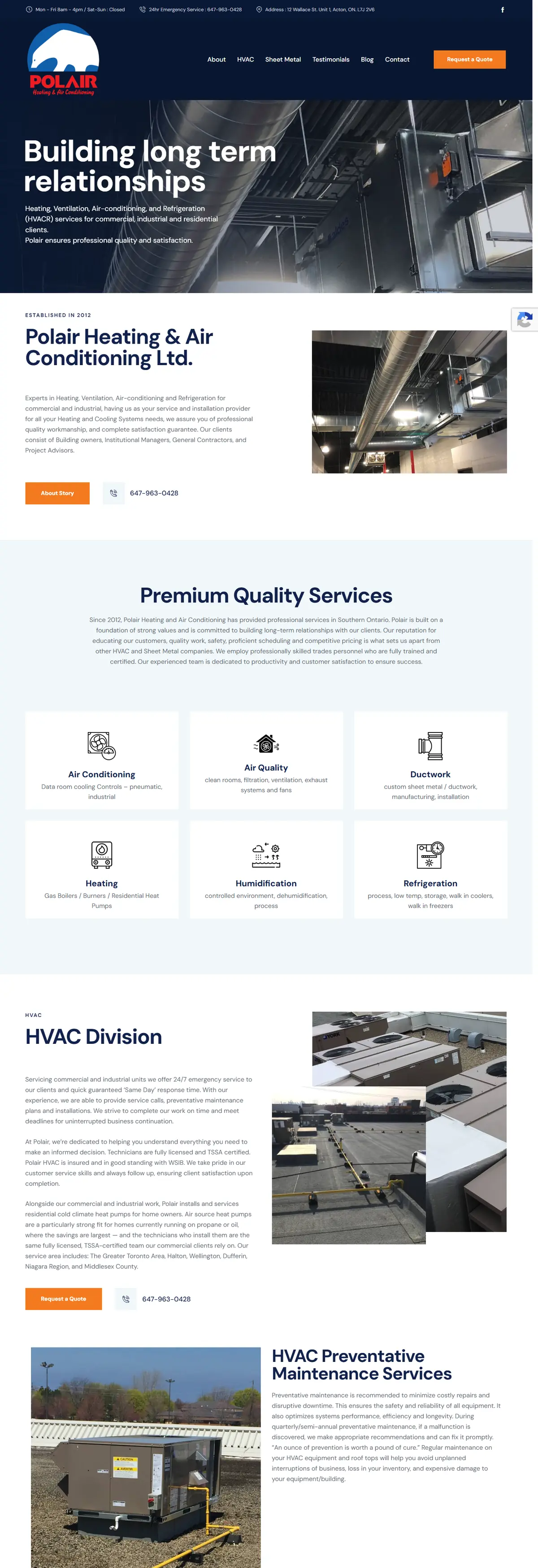
Polair Heating & Air Conditioning
Lead-generation website for a commercial and industrial HVACR contractor, organised around its service lines and quote requests.
- WordPress
- Elementor
- Slider Revolution
- Contact Form 7
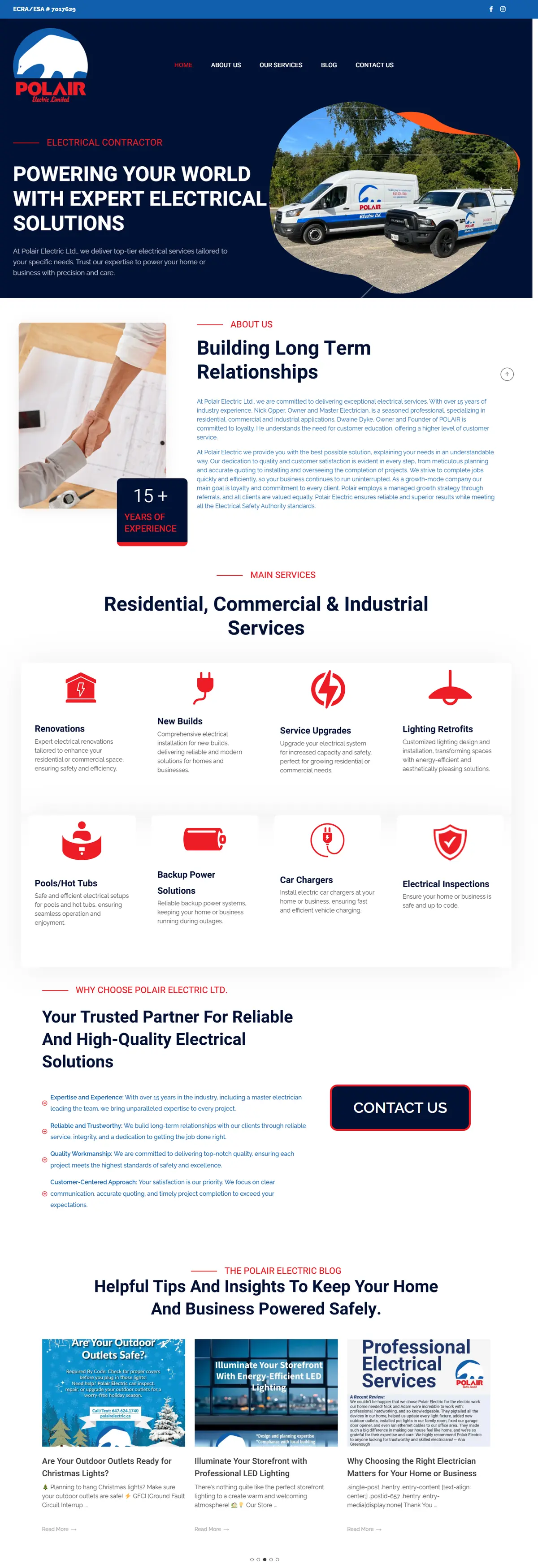
Polair Electric
Website for a licensed residential and commercial electrical contractor, built to establish trust and turn visitors into service calls.
- WordPress
- Elementor
- Contact Form 7
- Cloudflare
UI/UX & Graphic Design: common questions
How much research do we really need?
Less than people fear and more than most projects do. Five usability sessions surface the majority of serious problems in a flow. We size research to the cost of being wrong — a checkout redesign warrants more than an internal admin screen.
Do you design or also build?
Both, though they can be separated. Where we design and build, handoff friction disappears. Where you have your own developers, we deliver documented components, tokens, and specified states they can implement directly.
What is a design system worth to us?
It pays off once more than one person contributes or the product spans more than a handful of screens. Below that, it is overhead. We are honest about which situation you are in.
Can you work with our existing brand?
Yes. Most engagements extend an existing identity into digital products rather than replacing it. Where the brand genuinely constrains usability — typically contrast or type size — we will raise it with evidence rather than quietly overriding it.
Explore related services
Ready to talk about UI/UX & graphic design?
Tell us what you need. We reply within one business day with questions or a call slot — and a fixed, written proposal after.